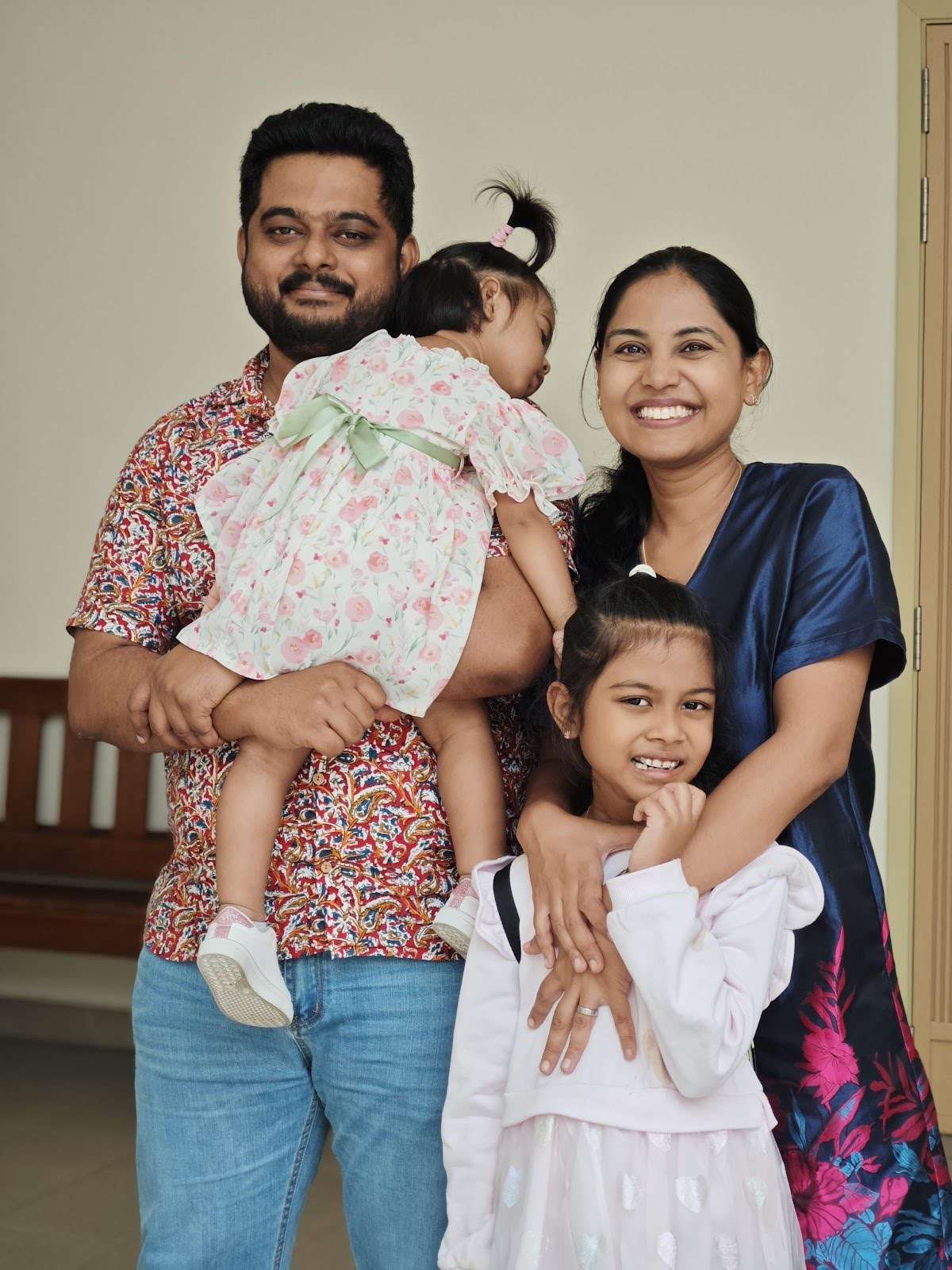

As first-time parents, we were overjoyed with the arrival of our beautiful baby girl. She was hitting all the milestones, and we thought everything was perfect. However, around 18 months, we started noticing some regression, particularly with her speech development. At the time, we brushed it off, unsure of what to make of it.

It wasn’t until she started pre-nursery that her teacher gently pointed out the possibility of autism or developmental delays. The words stung, and our hearts sank. We were advised to consult a pediatrician, and after a few visits, the diagnosis was confirmed: our daughter was on the autism spectrum. Our world was turned upside down. We were in denial, struggling to accept that our child was different. The thought of something being ‘wrong’ with our child was overwhelming, and we grappled with emotions, unsure of what the future held.
As we navigated the complex world of early intervention, financial stress became a significant burden. I had to take a break from my career to care for our child’s needs, placing immense pressure on my spouse to provide for our family. Despite the challenges, we found solace in our faith. God’s provision and support were our rock, enabling us to access an excellent early intervention center and meet our financial needs. His faithfulness in the midst of uncertainty was a constant source of comfort and strength.
As she thrived in her therapies, we thought she was making progress, but kindergarten presented a new set of challenges. Despite her hard work, she struggled to keep up with her peers. Maintaining eye contact and engaging in conversations were constant battles. Her focus wandered, and she found it tough to follow class. The teachers’ complaints were relentless – “She’s not following along,” “She’s not doing her work.” We tried to explain, to advocate, but it felt like they were giving up on her. The sad truth is, our schools often lack the inclusivity and support needed for children like hers. It felt like they were asking us to remove her from school, rather than working with us to find ways to help her succeed.
The thought of her future loomed over us like a dark cloud. Would she find a school that accepted her for who she is? Could she access basic education without breaking the bank? The reality hit hard – education, a fundamental right, felt like a privilege. Private options were expensive, public schools had long waiting lists, and homeschooling became a temporary solution. I took on the role of homeschooling her for a few months, trying to fill the gaps. And then, like a beacon of hope, we found a school that not only accepted her, but also cherished her. A place where she could grow at her own pace, surrounded by people who understood and supported her. God had provided, and our hearts overflowed with gratitude.
As I look back on our journey, I realize that awareness is the key to unlocking doors for individuals with autism. If only people understood that autism is not a defect, but rather a different ability, they would see the beauty in it. They would see the potential, the strengths, and the unique perspectives that autistic individuals bring to the table.
But most importantly, acceptance is the first key to a child’s progress. Acceptance from family, caregivers, and society can make all the difference in their development and well-being. When we accept our children for who they are, we create a safe and nurturing environment that allows them to thrive.
As parents, we become their advocates, fighting for their rights and needs in a world that often doesn’t understand them. It’s crucial that society becomes more aware and kind towards children with autism and their families. By doing so, we can create a world that is more understanding, more patient, and more loving. Let’s work together to build a society that accepts, supports, and empowers individuals with autism to reach their full potential.