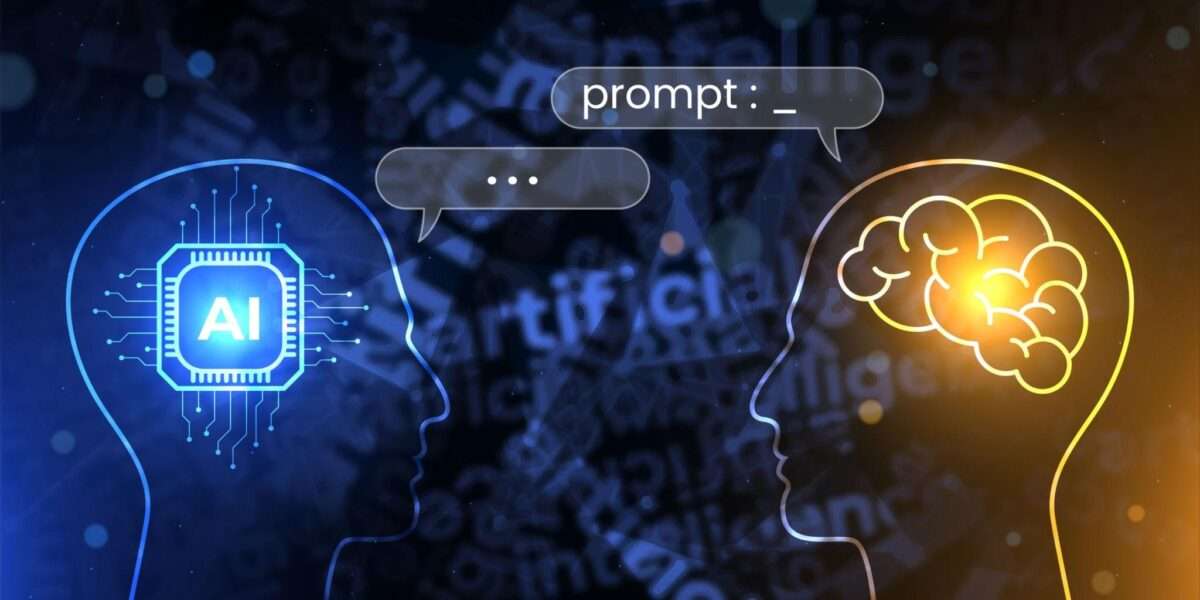
Artificial Intelligence is no longer something we only read about in science fiction or see in laboratories. It has quietly entered our daily lives through phones, social media, search engines, online classes, office tools, and chatbots. It helps us write, learn, design, plan, shop, and make decisions faster. But beyond convenience, AI is also beginning to influence something deeply human: our emotions and behaviour.
One of the most visible changes is the way AI responds to us. Chatbots can answer patiently, give advice, correct our work, and even comfort us when we feel confused or stressed. For teenagers and students, this can be helpful because AI can explain difficult topics in simple language without judgment. For professionals, it can reduce workload and improve productivity. In this way, AI can support confidence, creativity, and learning.
However, there is another side to this influence. When people depend too much on AI, they may slowly lose trust in their own thinking. A student may stop trying to solve problems independently. A writer may feel their natural writing is not good enough. A worker may rely on AI for every decision. Over time, this can reduce patience, originality, and critical thinking.
AI also affects emotions through social media and recommendation systems. These systems study what we like, what we watch, and what keeps us engaged. While sometimes useful, these systems can also continually surface posts that foster comparison, anger, fear, or insecurity. This is especially concerning for young people, who are still building their identity and confidence. If a person constantly sees perfect images, perfect lifestyles, or extreme opinions, it can quietly shape how they feel about themselves and the world.
Yet, AI should not be seen solely as a threat. Used wisely, it can be a powerful support system. It can help people communicate better, learn at their own pace, organize their thoughts, and access knowledge more easily. It can also help teachers, doctors, businesses, and researchers solve real problems.
The real question is not whether AI is good or bad. The question is whether humans are using it with wisdom. AI should remain a tool, not a replacement for human judgment, relationships, and emotional maturity.
In the end, AI may become one of the strongest influences of this generation. It can guide us, assist us, and inspire us. But empathy, values, responsibility, and independent thinking must always remain human.